

North Carolina is quite a diverse state, and it’s one of the reasons we love it and decided to move here ourselves. When we were looking at a city to call our home, Raleigh and Wilmington were two top contenders. They both have a relaxed, community-focused vibe and an easy way of life that feels chill but not without a pulse. Although similar in that regard, they both have something unique to offer.
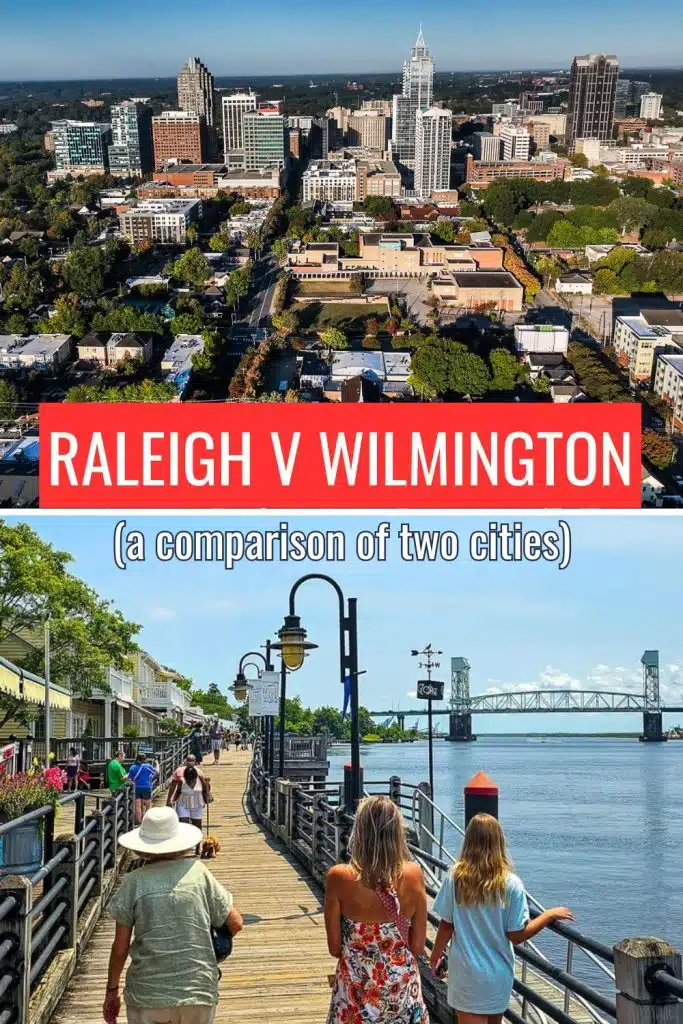
Raleigh, as the state’s capital, has tree-lined neighborhoods, a bigger downtown, and a thriving food and drink scene, whereas Wilmington has a bustling riverfront, historic streets, the sound of rolling waves nearby and rustling marsh grass, but with a youthful and creative energy.
But that’s not all there is. Both cities are consistently ranked as some of North Carolina’s most desirable places, but if you are choosing between Raleigh and Wilmington as a place to live, there are lots to consider: from cost of living, education and job opportunities, family-friendliness, safety, and more. In this guide, we share the stats so you can make a more informed decision about which city speaks to you.
Raleigh vs Wilmington: At a Glance
| Raleigh | Wilmington | |
| Job Market and Average Income | One of the strongest job markets in the Southeast, driven by Research Triangle Park. Job opportunities in technology, biotech, healthcare, higher education, finance, and state government sectors. Opportunities for start-ups and entrepreneurs. Low unemployment rate (3.1%). | Smaller and less diverse job market, driven by the tourism and healthcare sectors. Unemployment rates are low (3.5%), but career options are generally lower than Raleigh’s. |
| Housing Market | Competitive market with steady appreciation thanks to population growth. Everything from downtown apartments to suburban family homes, though inventory can be limited in desirable neighborhoods. | Coastal living comes at a premium, especially near Wrightsville Beach. Housing is slightly less expensive on average than Raleigh, but waterfront properties and insurance costs can significantly increase expenses. |
| Cost of Living | Slightly higher costs of living overall than Wilmington. | Slightly cheaper than Raleigh due to more affordable groceries and restaurant prices. |
| Lifestyle and Entertainment | Lifestyle is faster-paced, community-focused, but doesn’t feel overwhelming. Thriving dining scene, arts scene, and tons of museums, college sports, and festivals. There’s always something happening. | Coastal lifestyle focused on riverfront dining, beaches, and small local festivals, but also feels youthful thanks to the college students who bring a thriving arts scene into the mix. |
| Crime and Safety | Considered safe overall, with crime being concentrated in specific neighborhoods. Overall crime rate is low, with violent crime declining by 64% between 2025 and 2026. | Crime rate is generally low overall, with crime tending to be localized to specific neighborhoods. Some parts of the city experience higher property crime than Raleigh. |
| Education | Excellent public schools in Wake County, nationally recognized universities including NC State University. | Good public schools plus the University of North Carolina at Wilmington (UNCW). Fewer higher education options, but still highly reputable. |
| Airport and Travel | Raleigh-Durham International Airport (RDU) offers connections to international destinations and serves 19 airlines. | Wilmington International Airport (ILM) has just seven airlines and offers nonstop flights to domestic destinations only. |
| Healthcare | Outstanding healthcare anchored by WakeMed, Duke Health, UNC Health, and numerous specialty hospitals. One of the best healthcare regions in the Southeast. | Excellent regional healthcare led by Novant Health New Hanover Regional Medical Center, though specialized care is limited. |
| Weather and Climate | Hot, humid summers and mild winters. Has a high pollen count in the spring. Less vulnerable to hurricanes but can still be hit. | Warmer year-round temperatures and mild winters. Higher hurricane risk. It still has a high pollen count, but it is often blown away by the coastal winds. |
| Outdoor Recreation | Hundreds of miles of greenway trails, lakes, parks, and easy weekend trips to both the mountains and beaches. | Recreation revolves around the Atlantic Ocean. Access to boating, paddleboarding, surfing, fishing, and, of course, beaches. |
| Family Friendliness | Highly regarded for families thanks to excellent schools, safe suburbs, parks, museums, and family-focused neighborhoods. | Great for families who love the outdoors and coastal lifestyle. |
| Future Development and Growth | One of the fastest-growing metros in the U.S., with continued investment in technology, infrastructure, and long-term growth. | Growing steadily, though development is slower due to land constraints and hurricane vulnerability. |
Job Market
When moving to any new city, it’s important to know what the job market is like. Whether you have to look for a job or you’re planning to bring your work with you, knowing there is plenty of work out there gives you peace of mind. So, in that regard, Raleigh has the advantage.
Raleigh is one of the fastest-growing cities in the U.S., with a growth rate of 19.84%, which is largely powered by the city’s growing number of technology, life sciences, healthcare, higher education, finance, and government jobs. Since the expansion of the Research Triangle, not only has the job market boomed, but it has also attracted skilled workers looking for start-up opportunities and networking. If you’re an entrepreneur, you’ll find a wealth of others in the city of Raleigh.
For those looking for work in Raleigh, some of the major employers include IBM, Cisco, Lenovo, Fidelity Investments, WakeMed Health & Hospitals, and North Carolina State University. If you haven’t found work yet, don’t worry; Raleigh had a job growth of 2.3% through mid-2026, which ranked it as one of the fastest-growing large metro areas in the country, and the unemployment rate has remained below the national average, sitting at around 3.1% in July 2026.
Now Wilmington, on the other hand, has a very different economic profile. It’s a smaller city, so there is less variety of industries compared to Raleigh. The healthcare sector is the city’s largest employer, with the Novant Health New Hanover Regional Medical Center being a big employer. Other big organizations that often have openings are Live Oak Bank, UNC Wilmington, nCino, PPD (Thermo Fisher Scientific), and the North Carolina State Ports Authority.
There are more opportunities in the tourism and hospitality sector in Wilmington, since it is on the coast; it attracts a large summer crowd. In winter, this sector dies down but doesn’t die out. On the whole, Wilmington has healthy employment growth, and its unemployment rate remains relatively low at 3.5%, but due to its size, job opportunities are generally more limited than Raleigh.
Housing Market
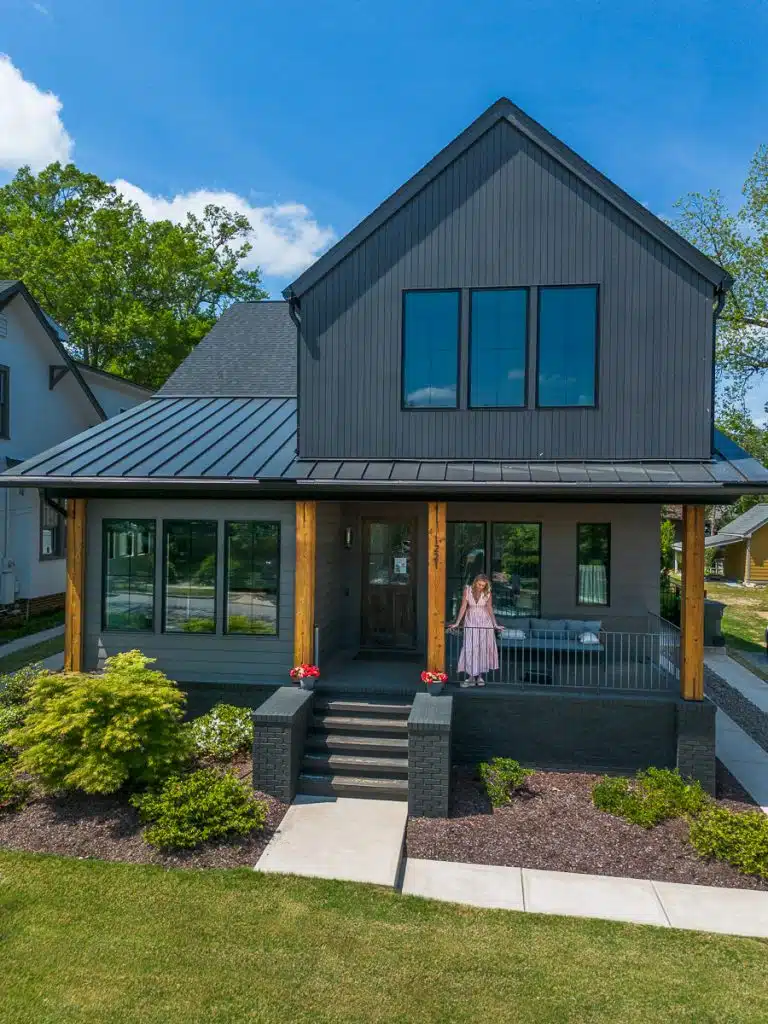
Raleigh and Wilmington’s housing markets cater to very different lifestyles. Raleigh has one of the most diverse housing markets in North Carolina, with everything from downtown apartments, to established neighborhoods, and new-build suburban communities.
As of July 2026, the typical median sale price is around $424,000. Homes move relatively quickly, going into pending in around 34 days, on average. If you’re looking to rent over buy, you will find relatively affordable prices, with the average asking rent sitting at $1,826 per month. There is always a steady stream of homes added to the market, though, so if you don’t find what you’re looking for straight away, you won’t have to wait long for something else to come up.
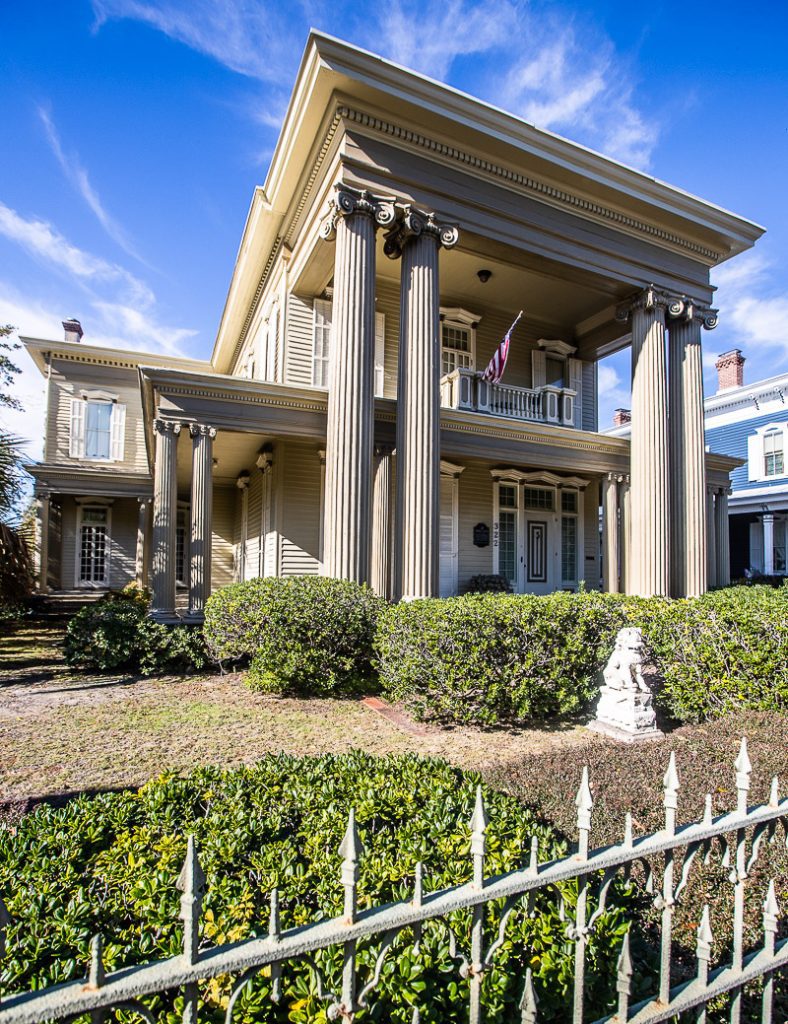
Wilmington offers a mix of historic downtown homes, waterfront homes, beach cottages, modern condominiums, and suburban neighborhoods. Its location on the coast has pushed prices above Raleigh’s, with the median home sale price reaching approximately $478,000. The market is also slower moving, with homes spending an average of 57 days on the market. Rental costs are slightly higher as well, averaging around $1,900 per month.
NOTE: If you need help finding a local realtor here in the Raleigh area, we can connect you with our trusted realtor partner we have personally vetted and will take great care of you. Click to learn more.
Cost of Living
The overall cost of living is quite similar, but where your money goes differs considerably. For a family of four (excluding rent or mortgage), average monthly living expenses are approximately $3072 in Raleigh and $3006 in Wilmington.
Wilmington benefits from slightly lower expenses when it comes to grocery and healthcare costs, but other expenses such as transportation, homeowners’ insurance, and utility bills remain similar to Raleigh. According to Numbeo, restaurant prices are 7.3% higher in Raleigh than in Wilmington, and groceries are 17.3% lower in Wilmington; so, when it comes to food costs, Wilmington has the upper edge.
Lifestyle and Entertainment

Raleigh and Wilmington offer two very different lifestyles. Raleigh is more metropolitan with more of a city feel, but it’s also very easy to get away from that if you prefer a slower pace of life. Raleigh can feel like a big town rather than a city at times, with a youthful atmosphere and a real community spirit. We love that Raleigh it has a solid arts scene and museums, professional and college sports scene, and a diverse calendar of community events taking place year-round.
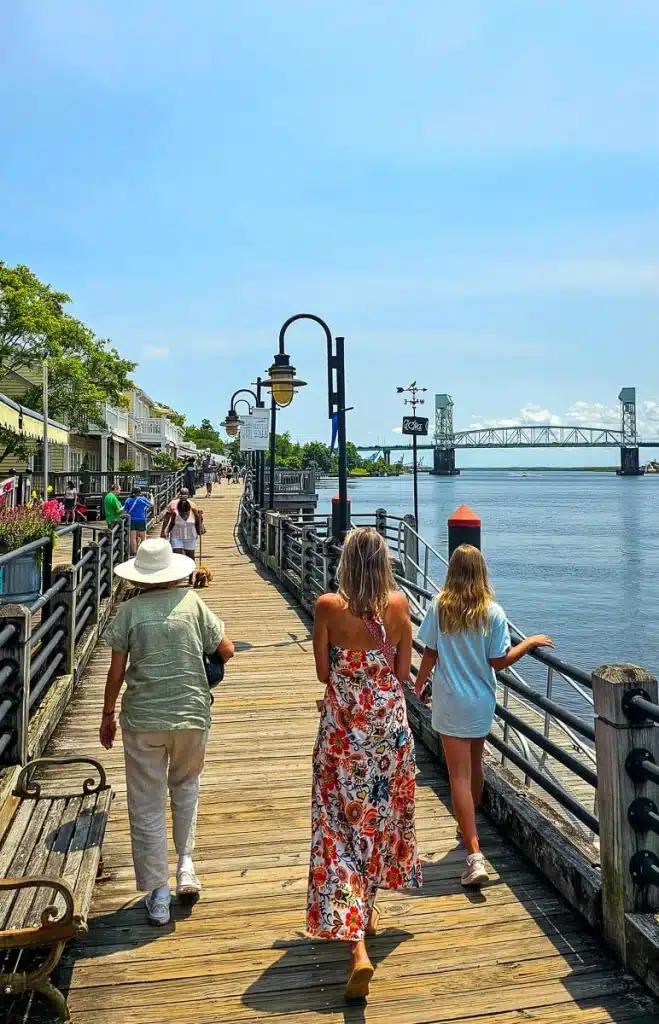
Wilmington seems to have a slower pace of life, with a vibe centered around the riverfront and beaches and that go-slow coastal living, but it also has some great restaurants and a youthful and artistic energy thanks to the college students attending UNC Wilmington. It really depends on whether you prefer the energy of a growing metropolitan area or the more relaxed atmosphere of a coastal community.
Crime and Safety
Raleigh and Wilmington are both considered relatively safe places to live by national standards. Raleigh consistently reports lower property crime rates, and according to the Raleigh Police Department, total property crime fell by 26% in 2026 compared to 2025, while violent crime declined by 64% between 2025 and 2026.
However, independent crime data estimates place Raleigh’s violent crime rate at approximately 489 incidents per 100,000 residents, with certain downtown areas experiencing more incidents, but most suburban neighborhoods are considered very safe.
Wilmington has slightly higher crime rates for property-related offenses. The city’s violent crime rate is approximately 483 incidents per 100,000 residents, similar to Raleigh’s, but its property crime rate is notably higher at roughly 3,515 incidents per 100,000 residents, with most of those rates relating to theft, burglary, and vehicle-related crime. Like Raleigh, most crime is concentrated in specific neighborhoods, but popular areas such as the Historic Downtown, Wrightsville Beach, and suburban communities are considered safe.
Education

Raleigh and Wilmington both offer solid educational opportunities. Raleigh is where you’ll find North Carolina State University (NCSU), and Wilmington has the University of North Carolina at Wilmington (UNCW), which both have a strong national reputation.
In terms of primary and secondary education, Wilmington has many highly regarded schools, served by New Hanover County Schools, one of the larger districts in southeastern North Carolina. It’s currently educating approximately 25,000 students across more than 40 schools and has a solid reputation for preparing students for college or creating educational pathways in technology.
Raleigh is served by the Wake County Public School System (WCPSS), the largest school district in North Carolina and one of the largest in the United States, educating more than 161,000 students across over 200 schools. WCPSS is consistently recognized for its strong academic achievement, high graduation rates, extensive Advanced Placement offerings, magnet schools, and Career and Technical Education (CTE) programs.
While Wilmington has many great schools, it cannot match the breadth of academic programs and research opportunities found in the state capital area.
Airport and Travel
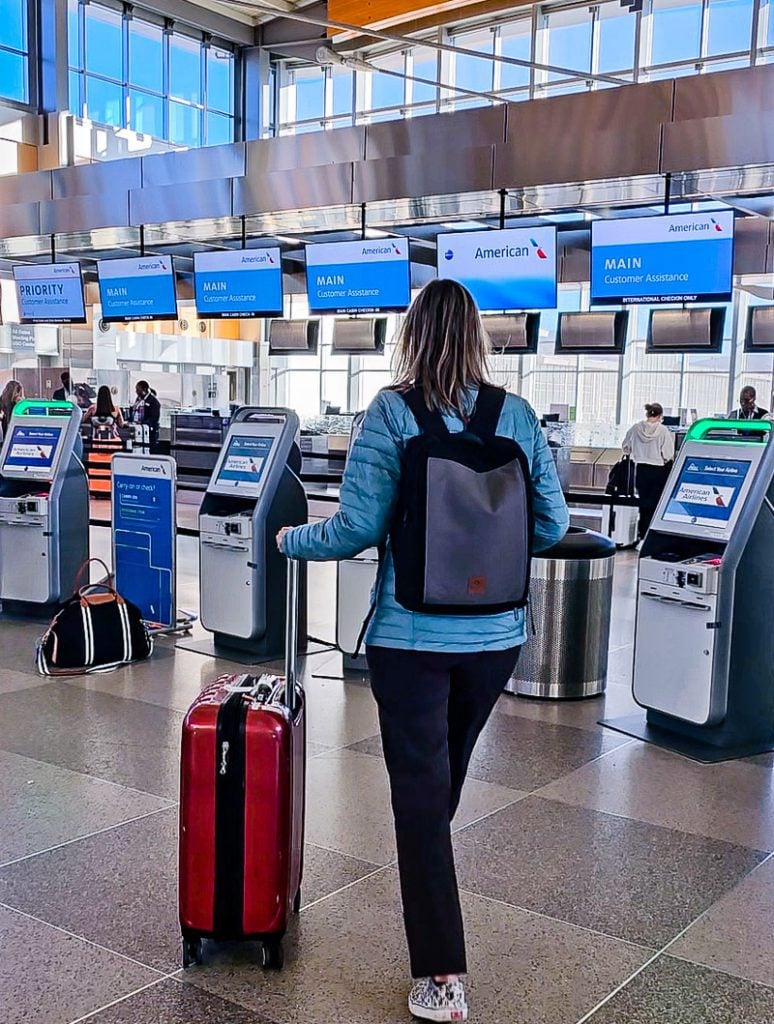
Raleigh-Durham International Airport (RDU) is one of the fastest-growing airports in the Southeast and is consistently adding more non-stop international flights to its services. In recent years, more flights have been heading to Central America and the Caribbean, and it also has direct flights to major hubs in Europe such as London, Paris, and Frankfurt. RDU is served by 19 airlines, including American, Delta, United, Southwest, JetBlue, Alaska, Air Canada, Air France, Aer Lingus, Icelandair, Lufthansa, and more. Read our guide.
Wilmington International Airport (ILM) primarily offers more domestic travel opportunities. It has seven airlines (American, Delta, United, JetBlue, Breeze Airways, Avelo Airlines, and Sun Country Airlines) and connects to approximately 25 nonstop domestic destinations in the U.S., such as Atlanta, Chicago, Dallas-Fort Worth, Denver, New York, Boston, Washington, D.C., Nashville, Orlando, Tampa, and more.
ILM is designated as an international airport because it has U.S. Customs facilities for private and charter flights, but it currently has no regularly scheduled commercial international flights, so if you like to take vacations overseas, Raleigh is a better base.
Healthcare
Both Raleigh and Wilmington offer high-quality healthcare, so if you have long-term medical conditions, then you are in safe hands no matter which city you choose. Raleigh has a larger and more comprehensive medical network and is home to multiple nationally recognized hospital systems, the three major ones being WakeMed Health & Hospitals, Duke Health, UNC Health (including UNC Rex Hospital), all of which have outstanding reputations for patient care and clinical outcomes.
Raleigh being only 30-minutes from Durham is an advantage, as Duke University Hospital is consistently ranked among one of the best hospitals in the United States.
Wilmington’s healthcare system is centered around Novant Health New Hanover Regional Medical Center (NHRMC), the largest hospital in southeastern North Carolina. NHRMC is home to the region’s only Level II Trauma Center, a comprehensive stroke center, and the Betty H. Cameron Women’s & Children’s Hospital.
It was also acquired by Novant Health not too long ago, which meant the hospitals got a bit of an upgrade. The hospital has new facilities and has expanded its physician recruitment and specialty services. Although specialist availability is more limited than in Raleigh, it’s still a good healthcare option and accepts most major commercial insurance plans.
Weather and Climate

Raleigh and Wilmington both enjoy a humid subtropical climate. Raleigh has slightly more variation, while Wilmington’s coastal location keeps temperatures more moderate year-round. Being on the coast means that Wilmington has a significantly higher risk of hurricanes and tropical storms, but these can make their way over to Raleigh, so being in the capital doesn’t make you immune to the severe coastal weather.
During the summer, Raleigh can experience highs in the upper 80s to low 90s°, with occasional heat waves, and winters are relatively mild, with daytime highs typically in the 50s°F. Snow is uncommon, though ice storms can occasionally roll in. One downside to Raleigh’s weather, as we talk about a lot on this site, is the extremely high spring pollen counts thanks to the city’s extensive number of pine, oak, and other hardwood trees. It’s one of the things we love about Raleigh, being so green, but if you have allergies, this is something you’d seriously want to consider.
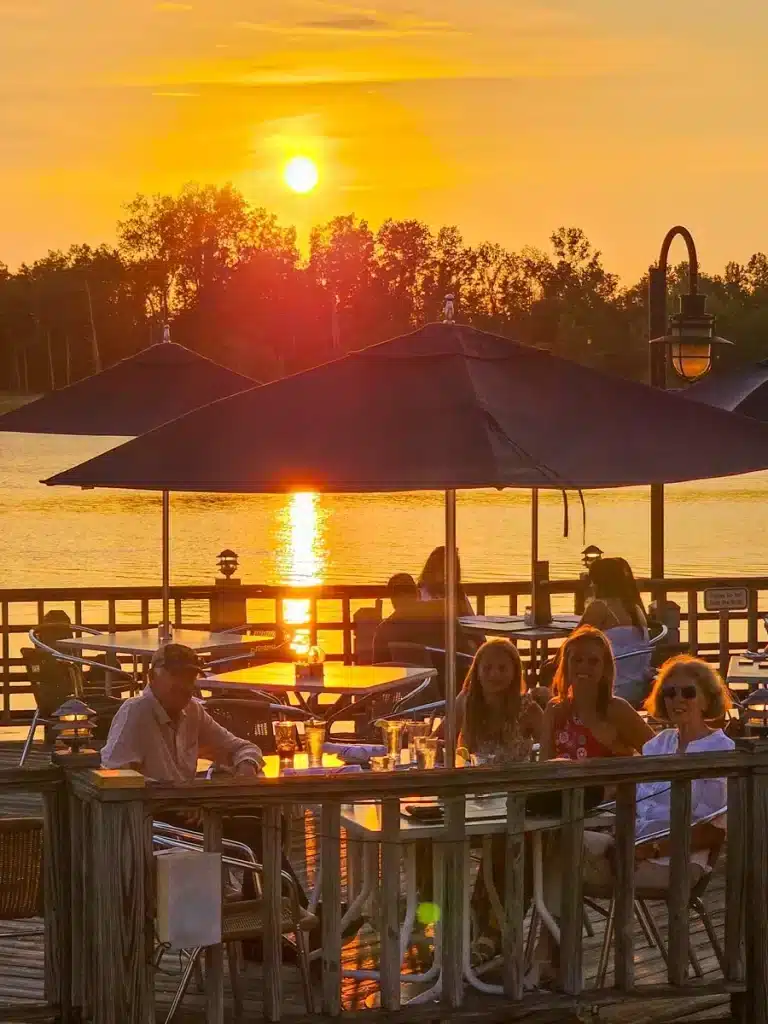
Wilmington has a similar temperature in the summer, with highs also reaching the upper 80s to low 90s°, but it has less humidity and a sea breeze, so it can often feel more comfortable. Winters are noticeably milder than Raleigh’s, with freezing temperatures occurring only occasionally, and snowfall is exceptionally rare.
Wilmington also experiences tree pollen during the spring, but the coastal winds can help disperse it more quickly. The biggest concern for Wilmington is that it’s the frontline for Atlantic hurricanes, tropical storms, and flooding. It has been directly affected by major storms including Hurricanes Florence, Isaias, and Helene, and requires you to be prepared from June through November. So the big question is what is a bigger problem for you: hurricanes or pollen?
Outdoor Recreation

If you love the great outdoors, both Raleigh and Wilmington are great contenders. The Greater Raleigh Area has 100+ miles of greenway trails, an abundance of forests, lakes, and is only 15-minutes from Umstead State Park. It’s also closer to the Blue Ridge Mountains and is a great base for those who like hiking, cycling, and camping.

Wilmington is a coastal recreation destination, with beaches, waterways, and year-round opportunities for boating, fishing, and water sports. It’s only 10-minutes from Wrightsville Beach and Carolina Beach. Read our 36 hour getaway to Wilmington.
Family Friendliness
Both Raleigh and Wilmington are excellent places to raise a family. With top-rated schools and an abundance of family-friendly attractions, you’ll find both places will nurture your child’s academic and social side.
Raleigh is a bigger city, so it has more parks (over 200), dozens of childcare options and daycare centers, and family attractions like the NC Museum of Natural Sciences, Marbles Kids Museum, Pullen Park, and the fantastic Gypson Play Plaza at Dorothea Dix Park. It also has YMCA branches, scouting organizations, youth sports clubs, and tons of community events designed to connect parents and children.


Wilmington has a smaller, close-knit community. It has more than 30 public parks, but aside from those, the attractions tend to center around the beaches. It does have close access to the North Carolina Aquarium at Fort Fisher, and it has the Children’s Museum of Wilmington and Airlie Gardens, too. You can also find frequent family-oriented festivals and events and things to do.
Both cities are highly family-friendly; Wilmington is just smaller, so you might have to make more of an effort to find things to do or communities.
Future Development and Growth
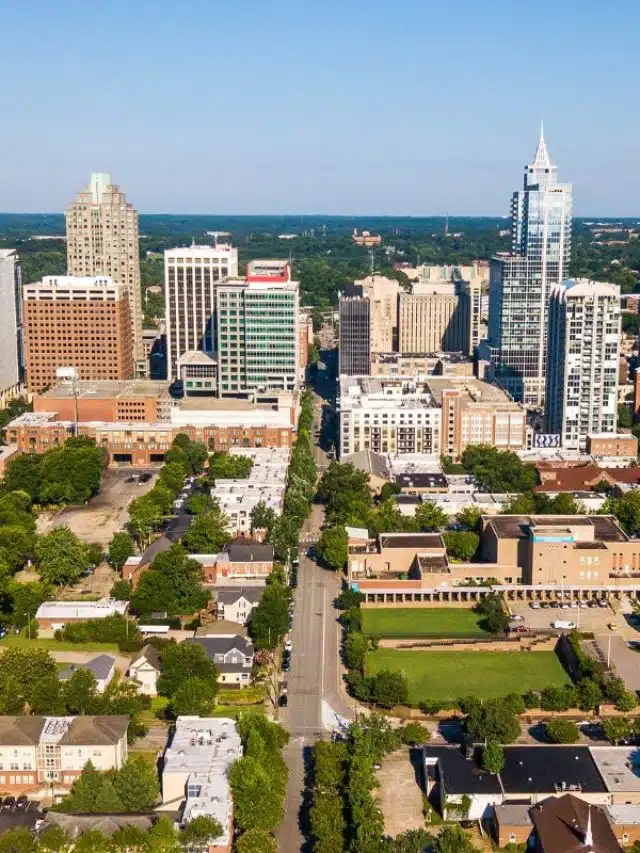
Raleigh is one of the U.S.’s fastest-growing cities and has experienced rapid expansion in recent years. It’s estimated Wake County welcomes 66 new residents a day. To compensate for this, the city is making some investments in infrastructure to keep up with the growth. In recent years, Raleigh’s Bus Rapid Transit (BRT) program is in the works, and the expansion of flights from Raleigh-Durham Airport has also improved transportation links.
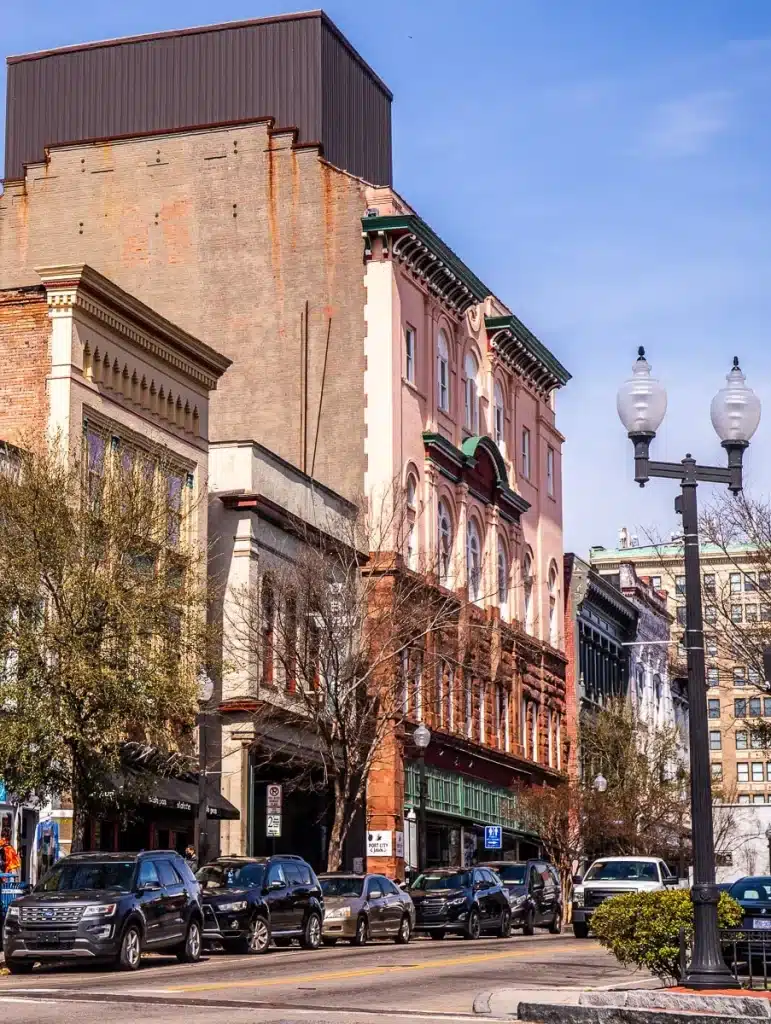
Wilmington is also growing, though at a slightly lower rate. Wilmington has limited land availability and is vulnerable to hurricanes, so this limits how quickly it can expand compared to Raleigh. Expansion might not be a deal-breaker for you, though. Wilmington may feel like a place where time stands still, but it has also grown a lot over the years. And Raleigh has a pulse and is always evolving and changing, but what appeals to you may not appeal to others.
Ultimately, it all comes down to what boxes you need to tick and what kind of vibe you’re looking for. We hope this guide helped you make a list of your essentials and nice-to-haves and helped you feel closer to deciding which city feels right for you. And if you have more questions about relocation, feel free to reach out to us; we’re here to help.
In Summary
Wherever you decide to live, we hope this guide helped you get an idea of what it would be like to live in either Charlotte or Raleigh. And if you do need more help deciding, we’d be happy to talk to you about your real estate options, and don’t miss our free relocation guide. As this is a Raleigh website, we are obviously slightly biased and love living in Raleigh, but Charlotte can also be an excellent choice. Let us know if we can help with anything?
More city comparisons:
Stay Connected to Raleigh
Join our free email community to receive free checklists, guides, insider tips, personal stories, fun finds, and the best events in Raleigh each week. We'll show you how to stay connected to Raleigh and love where you live! Join Below 👇
“Your weekly newsletter is a lifesaver for me. Yesterday we didn’t know what to do, I just check your list of events for the weekend, and we ended up in Cary at the Carolina Circus Festival. We had a great time so thanks a lot for all your good work 😊 we really appreciate you” Subscriber

Apples and oranges.. personally, if I can, I’ll take the coastal breezes, fresh salt air and much more relaxed pace of coastal beach area living … but if I’m only interested in making money — well— then Raleigh is a great place to find a career and have more of city life .. I think the better comparison would be Raleigh vs Charlotte or Nasheville etc Non aligned comparison but nice try 😎🏖️
Hi Buddy, we did this Raleigh v Wilmington guide because we get asked a lot about the comparison from out of area folks, and others researching online. We have already done a Raleigh v Charlotte comparison which was linked at the bottom of the Wilmington article, but here it is again: https://thisisraleigh.com/raleigh-vs-charlotte/